Disclaimer: If you are in crisis or experiencing a mental health emergency, please seek immediate assistance. The information provided on this website is intended for educational and informational purposes only and is not a substitute for professional medical advice, diagnosis, or treatment.

personality disorders

Personality disorders encompass a diverse range of mental health conditions characterised by persistent patterns of thoughts, feelings, and behaviours that significantly deviate from societal expectations and norms. These patterns often manifest in various areas of life, including relationships, work, and self-image, and can cause significant distress and impairment.

One of the hallmark features of personality disorders is their chronicity, meaning that these patterns tend to be stable over time and resistant to change without appropriate intervention. They typically emerge during adolescence or early adulthood and can persist throughout a person's lifetime if left untreated.

There are several types of personality disorders, each with its own unique set of symptoms and characteristics. For example, individuals with borderline personality disorder (BPD) often struggle with intense emotions, unstable relationships, and impulsivity. Those with narcissistic personality disorder (NPD) may have an exaggerated sense of self-importance, a constant need for admiration, and a lack of empathy for others. Antisocial personality disorder (APD) is characterised by a disregard for the rights and feelings of others, along with a pattern of irresponsible and often criminal behaviour.

Living with a personality disorder can present numerous challenges. Individuals may experience difficulties in forming and maintaining healthy relationships, maintaining stable employment, and regulating their emotions effectively. The stigma surrounding mental illness can also exacerbate feelings of shame, isolation, and low self-esteem.

However, with proper diagnosis and treatment, individuals with personality disorders can learn to manage their symptoms or ever move beyond the disorder to lead fulfilling lives. Psychotherapy, particularly approaches such as dialectical behavior therapy (DBT), cognitive-behavioral therapy (CBT), and schema therapy, can be highly effective in helping individuals understand and change maladaptive patterns of thinking and behaviour. 

Support from loved ones, peer support groups, and community resources can also play a crucial role in the recovery process. By seeking help and support, individuals with personality disorders can develop coping strategies, build resilience, and improve their overall quality of life. It's important to remember that recovery is possible, and no one has to face these challenges alone.

related content

May 5, 2024
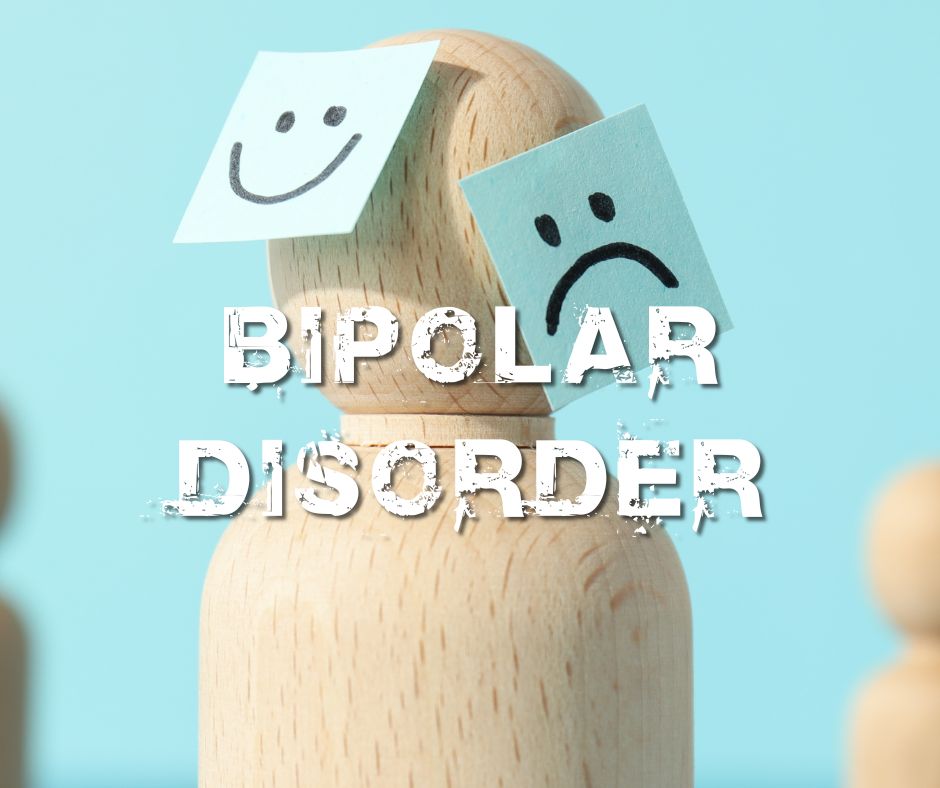
Describing My Bipolar with Tina Dickinson

Tina explains her experience of bipolar. She describes sweeping highs and lows. The highs fill her full of energy, and she spends all of her money followed by lows of self-doubt, shame, and negative self-talk. This is a really interesting episode, partly because Tina and I used to be in a relationship, and also because […]


April 11, 2019
Sexual Abuse, Violence, Medication & the Journey Out

Guest author - Anonymous Hi James, I have read your story and it has unexpectedly made me want to share my story with you. So here goes… Growing up I had an abusive father who drank heavily, although never physically hurting me or my brother, we witnessed my mum getting beaten. He would call the […]

more content

linkedin facebook pinterest youtube rss twitter instagram facebook-blank rss-blank linkedin-blank pinterest youtube twitter instagram